
IN THE PRESS
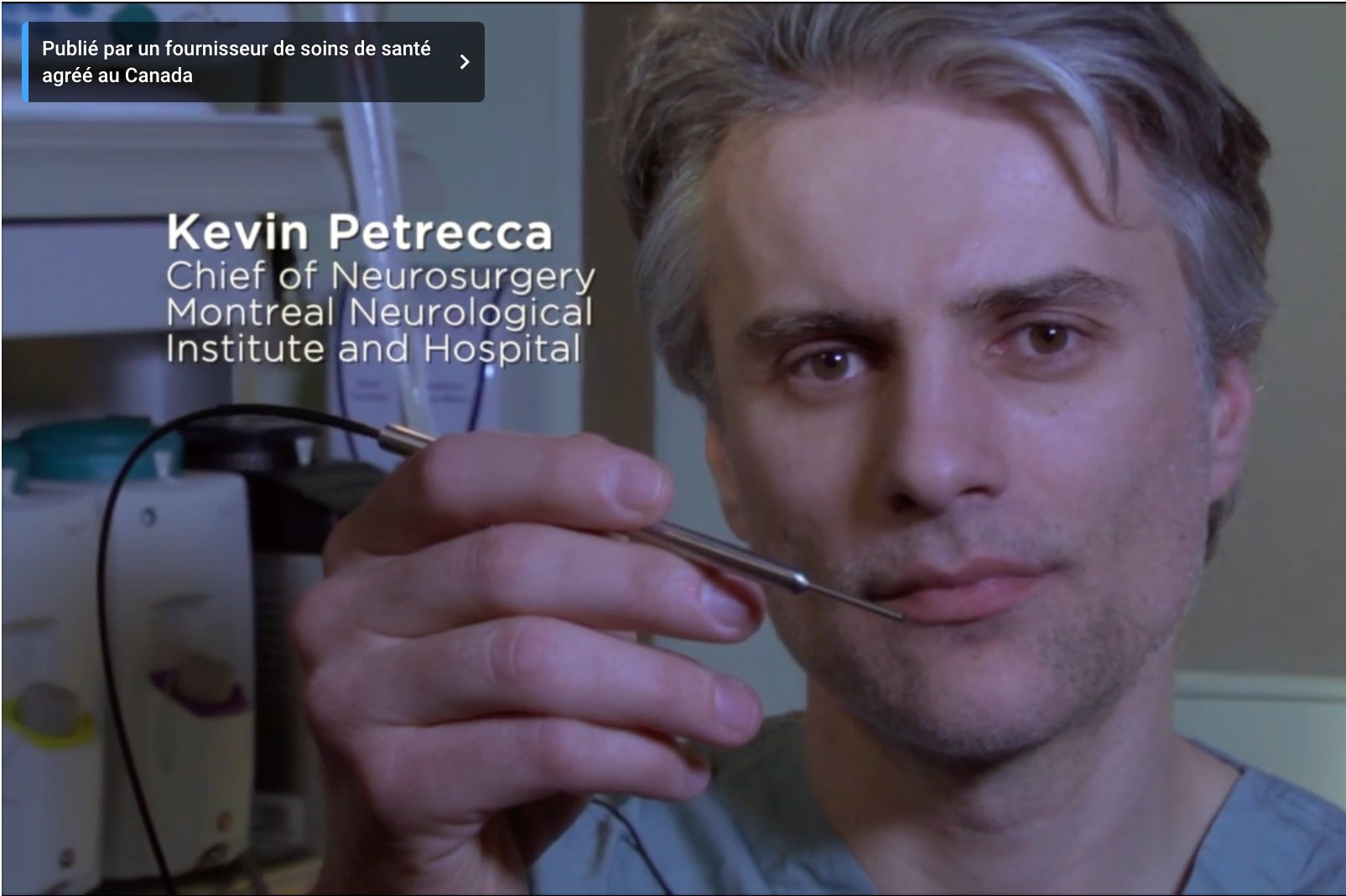
Revolutionary brain laser zooms in on cancer cells
Brain cancer patients may live longer thanks to a new cancer-detection method developed by researchers at the Montreal Neurological Institute and Hospital and Polytechnique Montréal. The collaborative team has created a powerful new intraoperative probe for detecting cancer cells. The hand-held Raman spectroscopy probe enables surgeons, for the first time, to accurately detect virtually all invasive brain cancer cells in real time during surgery. The probe is superior to existing technology and could set a new standard for successful brain cancer surgery thereby extending survival times for brain cancer patients.
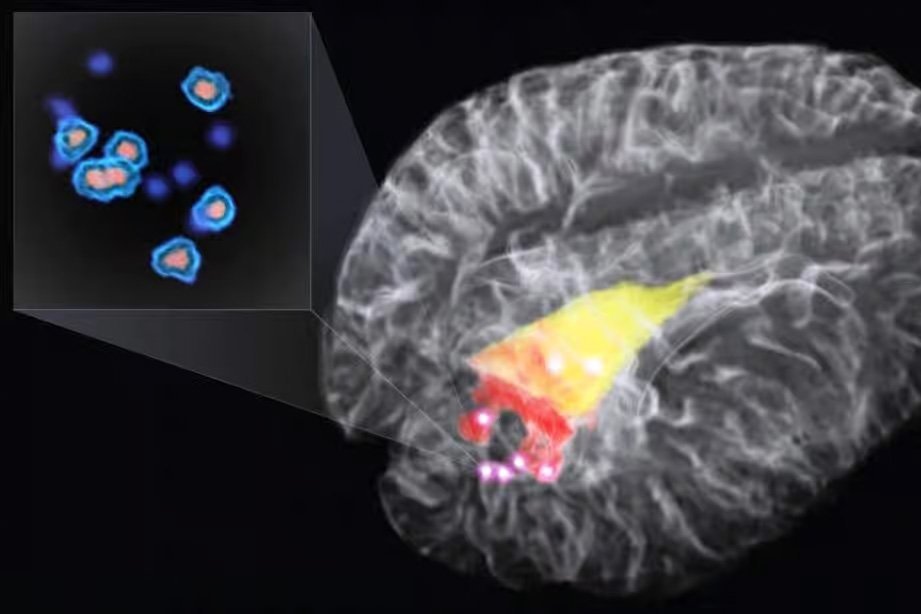
Revolutionary new probe zooms in on cancer cells
Improves tumour surgeries and extends survival times for brain cancer patients
Brain cancer patients may live longer thanks to a new cancer-detection method developed by researchers at the Montreal Neurological Institute and Hospital – The Neuro, at McGill University and the MUHC, and Polytechnique Montréal. The collaborative team has created a powerful new intraoperative probe for detecting cancer cells. The hand-held Raman spectroscopy probe enables surgeons, for the first time, to accurately detect virtually all invasive brain cancer cells in real time during surgery. The probe is superior to existing technology and could set a new standard for successful brain cancer surgery.
Raman Technique Helps Surgeons Excise Brain Cancer
Neurosurgeons need all the help they can get to remove brain cancer tumors. If they leave cancer cells behind, the tumors can regrow. Finding cancer cells can be particularly difficult with infiltrative cancers such as glioma, which invades surrounding brain tissue.

Tumeur cérébrale - Une sonde révolutionnaire facilite l'ablation des cellules cancéreuses
Une nouvelle technologie pourrait redéfinir le terme « rémission » pour les patients atteints du cancer du cerveau.
Les patients atteints du cancer du cerveau pourraient vivre plus longtemps grâce à une nouvelle méthode de détection du cancer mise au point par des chercheurs de l'Institut et Hôpital neurologiques de Montréal – le Neuro, de l'Université McGill et du CUSM, et de Polytechnique Montréal. Les collaborateurs ont conçu une nouvelle sonde peropératoire puissante pour détecter des cellules cancéreuses. Grâce à la sonde portative de spectroscopie Raman, les chirurgiens peuvent maintenant détecter avec précision presque toutes les cellules cancéreuses invasives en temps réel durant l'opération. La sonde est supérieure à la technologie existante et pourrait établir une nouvelle norme pour la réussite des opérations du cancer du cerveau.
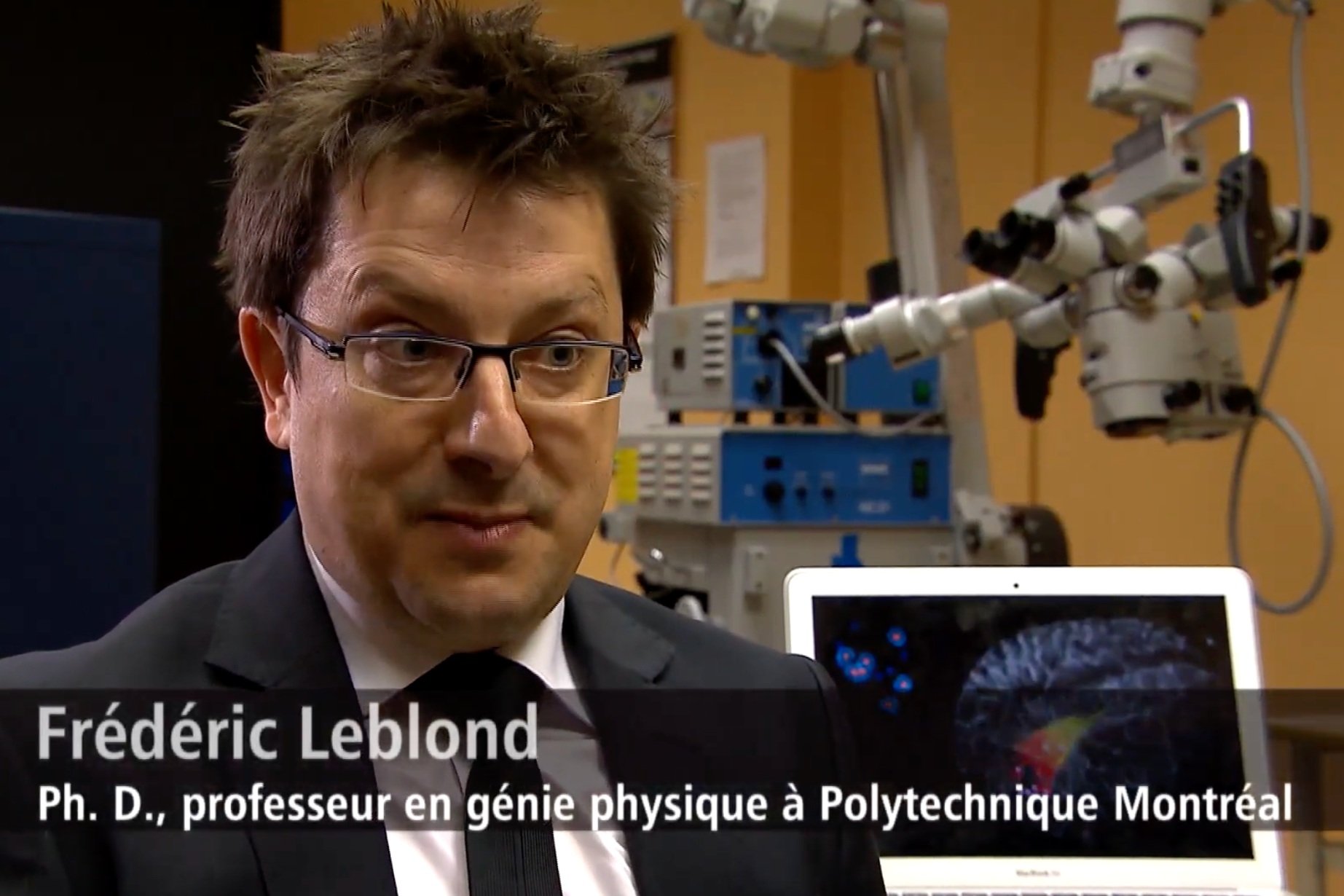
Une sonde pour détecter le cancer du cerveau
Des chercheurs montréalais ont mis au point une nouvelle méthode de détection du cancer qui pourrait améliorer le traitement des tumeurs au cerveau.
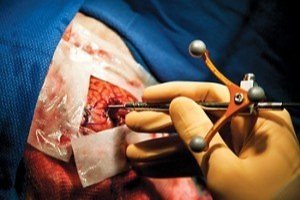
Raman Technique Helps Surgeons Excise Brain Cancer
Neurosurgeons need all the help they can get to remove brain cancer tumors. If they leave cancer cells behind, the tumors can regrow. Finding cancer cells can be particularly difficult with infiltrative cancers such as glioma, which invades surrounding brain tissue.
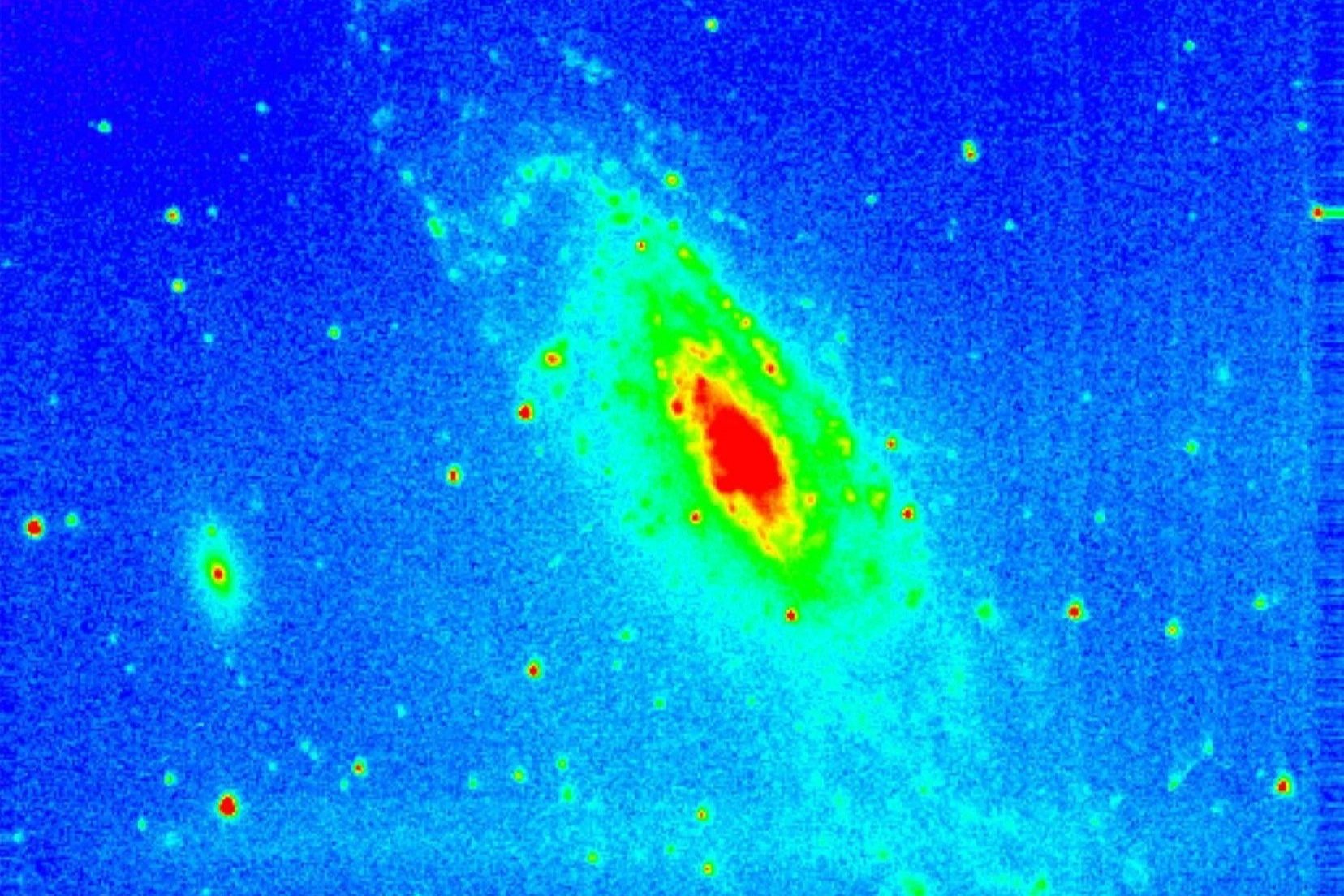
De l’infiniment grand à l’infiniment petit
C’est l’histoire d’une belle aventure scientifique, celle d’un jeune chercheur québécois passionné d’astrophysique qui a conçu une caméra ultrasensible permettant de détecter les photons émis par des exoplanètes situées à des années-lumière de nous. Mais le plus étonnant est que cette technologie qu’il a imaginée pour sonder l’infiniment grand sert aussi à voir l’infiniment petit, comme des cellules cancéreuses enfouies dans le cerveau.
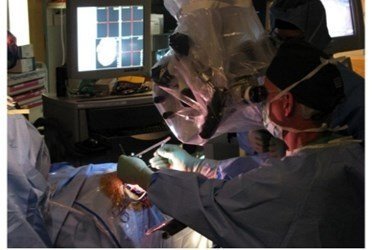
Nüvü Camēras Supports Medicine By Offering The Most Sensitive Brain Cancer Treatment
With the contribution made by Yoann Gosselin, recent graduate in Biomedical Engineering at l’École Polytechnique de Montréal, brain cancer treatment is leaping forward. Taking advantage of Nüvü Camēras’ HNü unique performances, he significantly heightened the sensitivity of a technique used in the removal of cancerous cells in the brain, renowned as being the most effective to this day. Combined with radiotherapy and/or chemotherapy, this novel treatment will provide a better prognosis for brain cancer patients whose current life expectancy remains very limited.
Applications Expand for Photon Counting
The prospects of photon-counting imaging are as diverse as they are promising. From space-debris monitoring, to telecommunication satellites and shuttle missions, to the advent of powerful surgical tools, which could help cancer patients through the precise removal of malignant tissues, its applications are numerous and expanding.
Photon counting reveals its strengths in extremely low-light conditions, where other imaging techniques fail to provide valuable data. This is true for all things infinitely distant or infinitely small.